Warren, Rhode Island
Floor and Subfloor Mold Remediation in Warren, Rhode Island
Mold growth beneath flooring often remains concealed until planks warp or a soft area develops. The remediation specialists lift the affected material to assess and dry the underlying subfloor in Warren residences.
When you call
What happens when you call Warren's 24/7 line
Call (844) 352-3560 any hour. The line is answered 24/7 and insurance is accepted.
The process
The Floor & Subfloor Mold Removal process in Warren, RI
Inspect
Cupping, staining, and soft spots are identified, and moisture meter readings are documented throughout the affected zone.
Remove Flooring
The compromised flooring is carefully removed to allow for a complete visual inspection of the subfloor decking.
Evaluate Subfloor
A determination is made on whether the subfloor material can be cleaned and preserved or must be cut out and replaced.
Dry Structure
Air movers and specialized floor drying systems extract moisture from within the subfloor material itself.
Verify
Final moisture readings confirm the subfloor has reached a dry standard before any replacement flooring is installed.
Why Warren homeowners call
Floor & Subfloor Mold Removal done to the IICRC S520 standard in Warren, RI
Testing Before Removal
Subfloor material is methodically tested with moisture meters to distinguish salvageable sections from those requiring replacement.
Deep Material Drying
Drying equipment is configured to extract moisture trapped within the full depth of the subfloor material, not merely surface dampness.
Documented Remediation Process
The work is documented with photos, moisture logs, and a clear scope from initial assessment through to completion verification.
Flooring Match Coordination
Replacement flooring is sourced to match the aesthetic of the removed material as closely as current availability permits.
When to call
When to book Floor & Subfloor Mold Removal in Warren
- A soft, spongy area underfoot near a sink, toilet, or appliance
- Cupping, crowning, or seam separation in hardwood flooring
- Swelling along the edges of laminate after a dishwasher or refrigerator line leak
- A persistent musty odor strongest near the floor in a specific room
- Dark staining emanating from beneath a toilet base or bathtub
- Vinyl flooring over a concrete slab lifting or discoloring at the room's perimeter
Any one of these is reason enough to call (844) 352-3560, the line is answered 24/7.
Scope of work
What the crew removes and treats in Warren homes
Plywood subfloor
Dried, HEPA vacuumed, and treated when moisture readings permit preservation
Particleboard subfloor
Removed once swollen and saturated, as structural integrity is compromised
OSB decking
Inspected for edge delamination and trimmed back as necessary
Floor joists
Wire-brushed, sanded, and coated with an antimicrobial agent
Underlayment and pad
Removed entirely, as it cannot be effectively dried in place
Concrete slab
Tested for moisture, dried if needed, and provided with a vapor barrier before new flooring installation
Not sure how far the damage runs? Describe it on the phone at (844) 352-3560, the line is answered 24/7.
By location
Floor & Subfloor Mold Removal by city
Floor & Subfloor Mold Removal covers Warren and the whole Bristol County area. Pick your city for local detail and pricing.
Where the crews work
Floor & Subfloor Mold Removal across Warren & the Bristol County area
From Warren out to Barrington, Bristol, Warwick, and the Bristol County area. The same crews, the same 24/7 line.
What it costs
Mold removal cost in Warren, RI
Every job is different, so these are the typical Rhode Island ranges. They are planning numbers, not a quote. Your price depends on how much mold there is, where it is, and what caused it.
A single moldy spot, a closet, or under a sink. The crew seals it off, removes it, and treats the surface.
A bathroom, kitchen, or bedroom with mold on a wall or ceiling, plus the moisture source fixed.
Larger areas that need more containment and drying. Common here after spring rain or a slow leak.
Mold across several rooms or after major water damage. The work runs in phases, room by room.
The surest way to get a firm number is to call and have the crew walk the space with you. Want a ballpark first? Try the instant mold remediation cost calculator. Filing a claim? Insurance is accepted and the contractor works with your carrier, so read the mold insurance claims guide.
Time and scope
How long Floor & Subfloor Mold Removal takes in Warren, and what is included
How long the job takes
Subfloor materials retain moisture longer than wall assemblies, so the project duration depends on the material type, the extent of removal, and the drying time required to meet target moisture readings.
What is included, what is booked separately
- Removal and disposal of mold-affected flooring and underlayment
- Moisture mapping of the subfloor and adjacent structural members
- Setup of containment and HEPA air scrubbing within the work zone
- Antimicrobial treatment of exposed joists and preserved decking
- Drying to a verified moisture standard with documented daily readings
Booked separately: Mold Damage Restoration, Wood Framing Mold Removal, Mold Inspection.
For a firm schedule and a written scope, call (844) 352-3560, the line is answered 24/7.
On the job
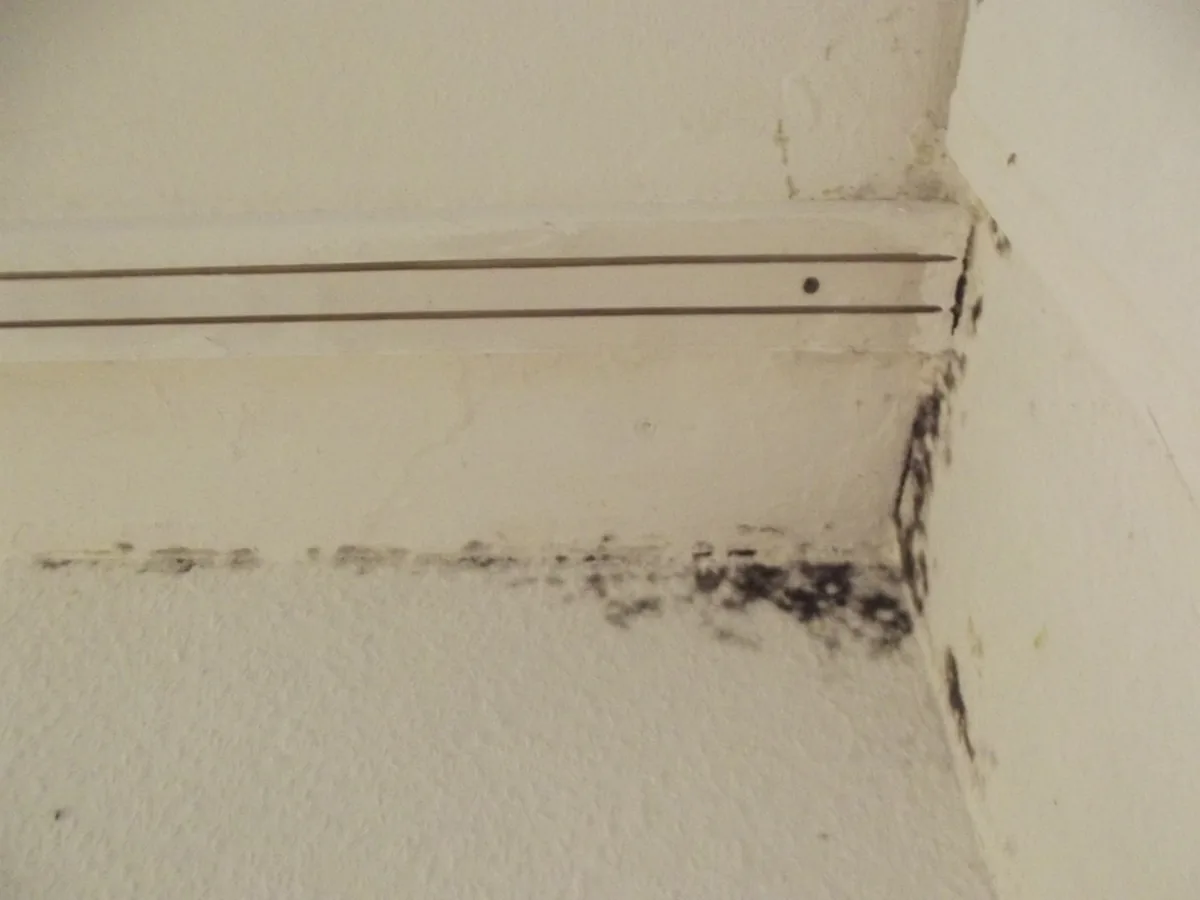
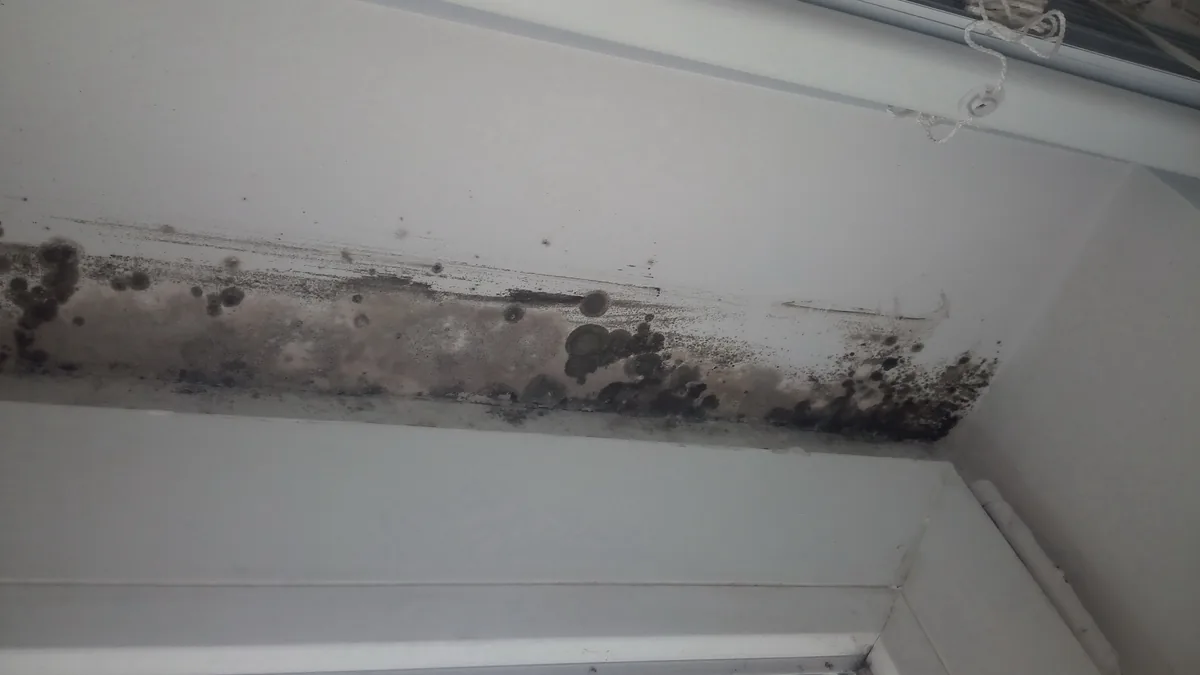
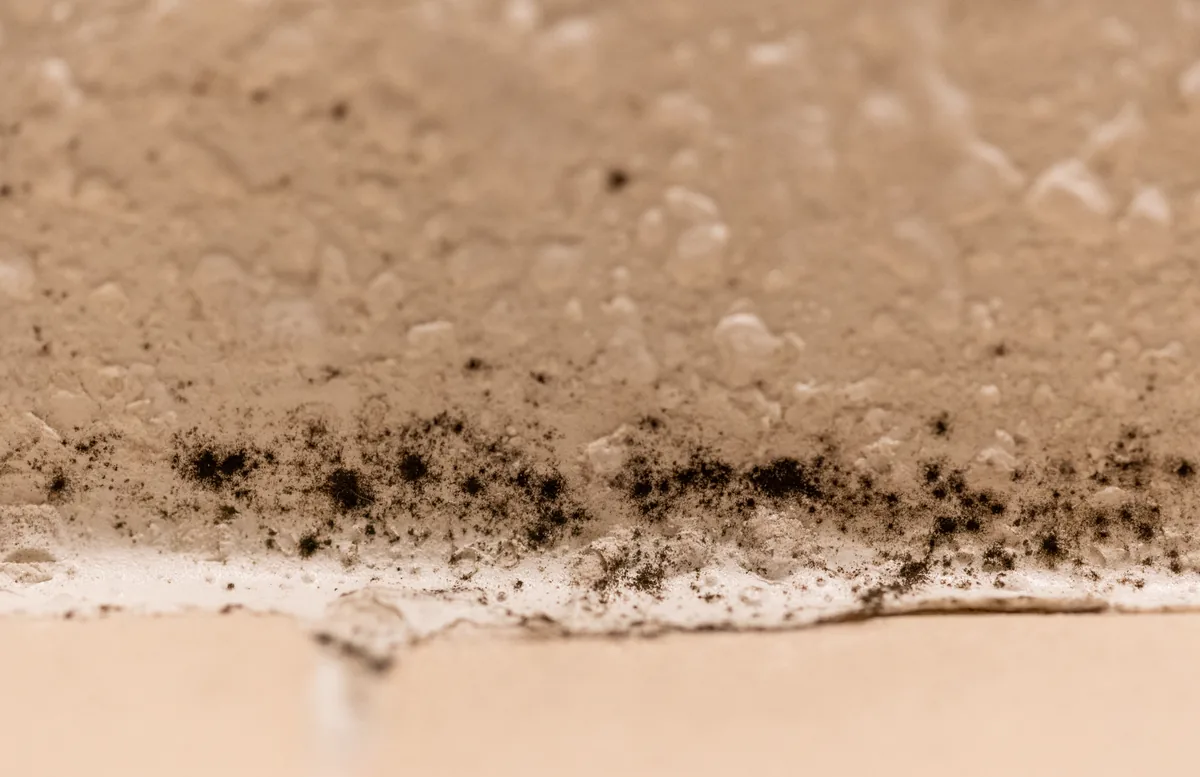
Mold remediation work in Warren homes
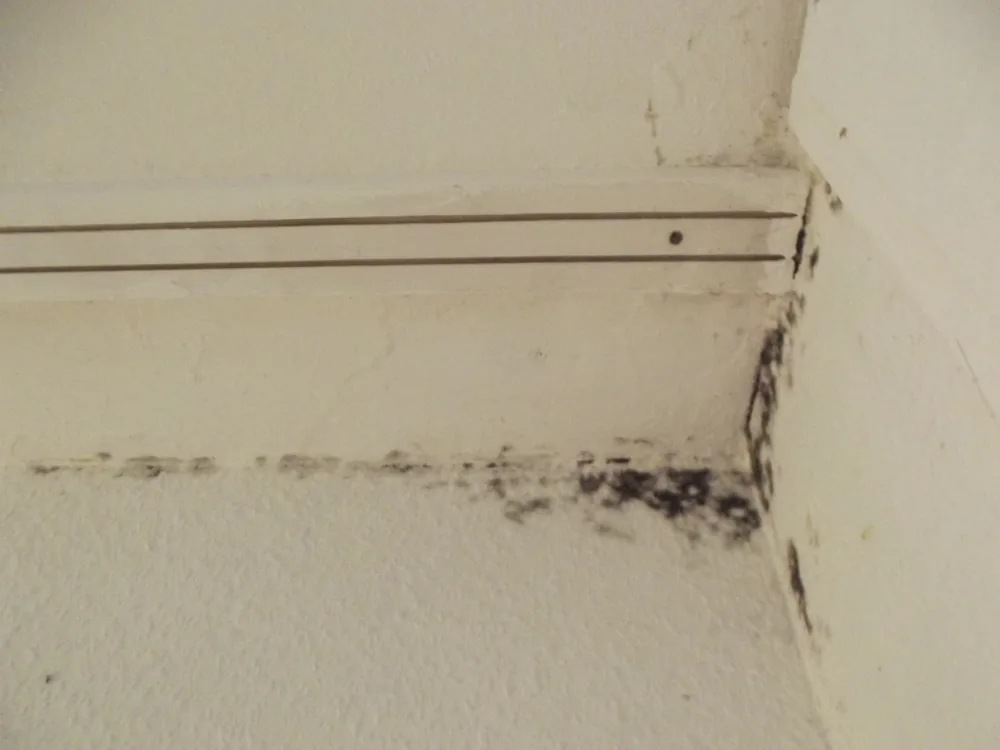

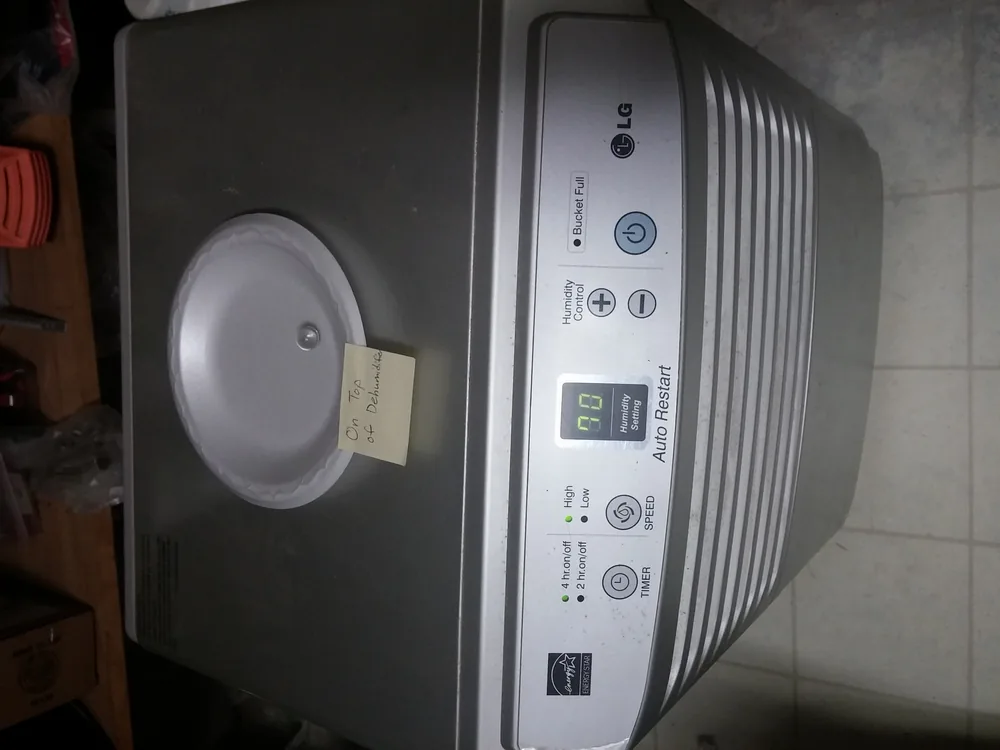
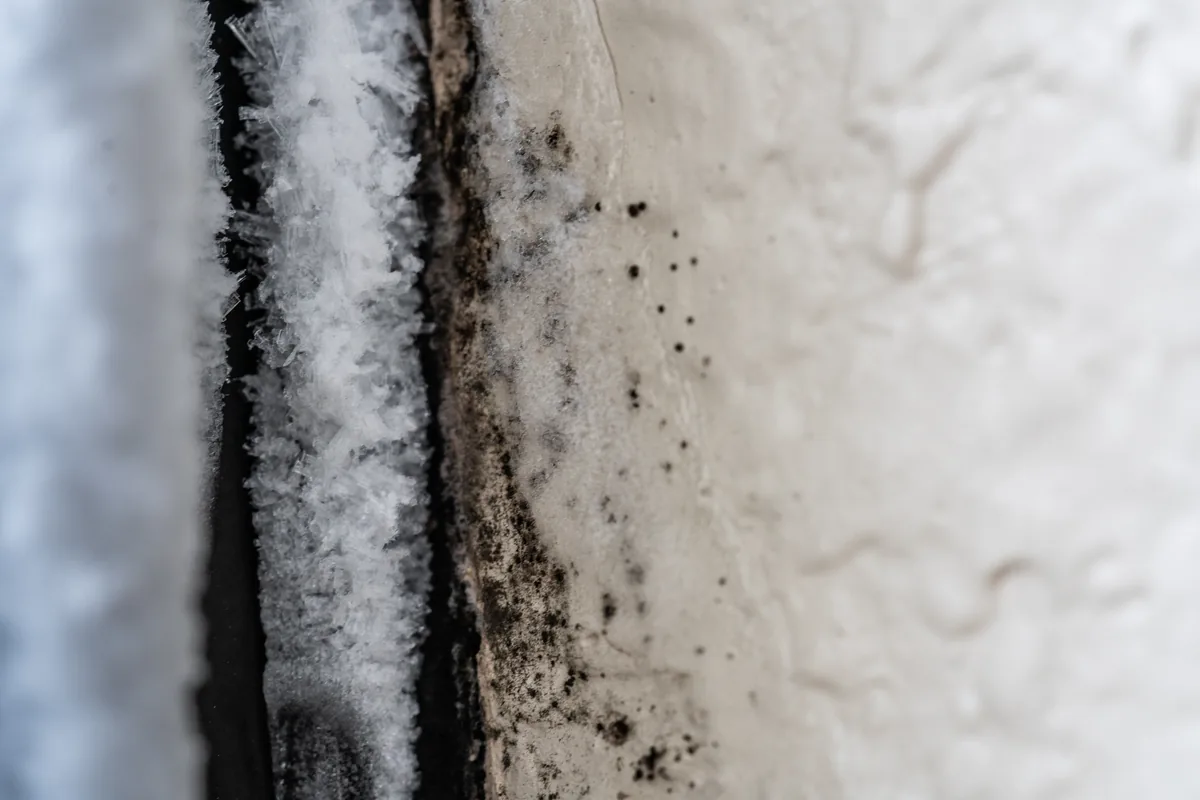
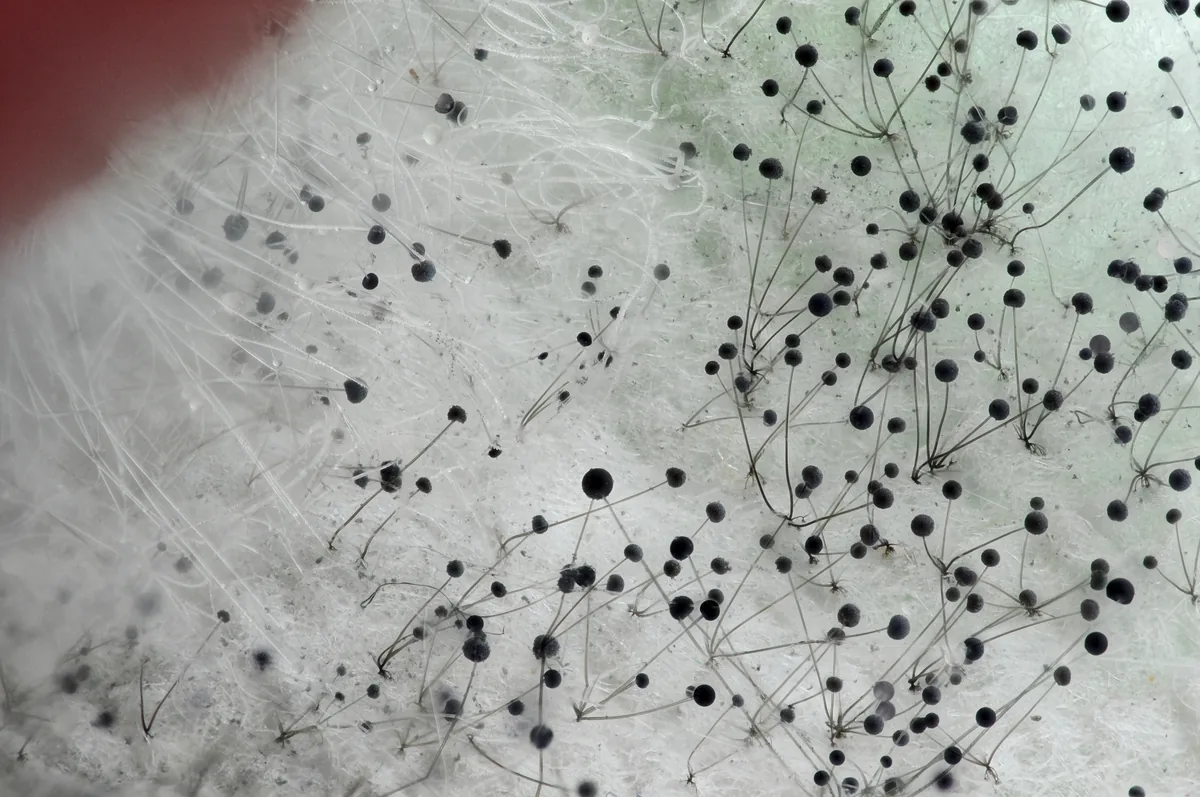
How Flooring Conceals Mold Growth
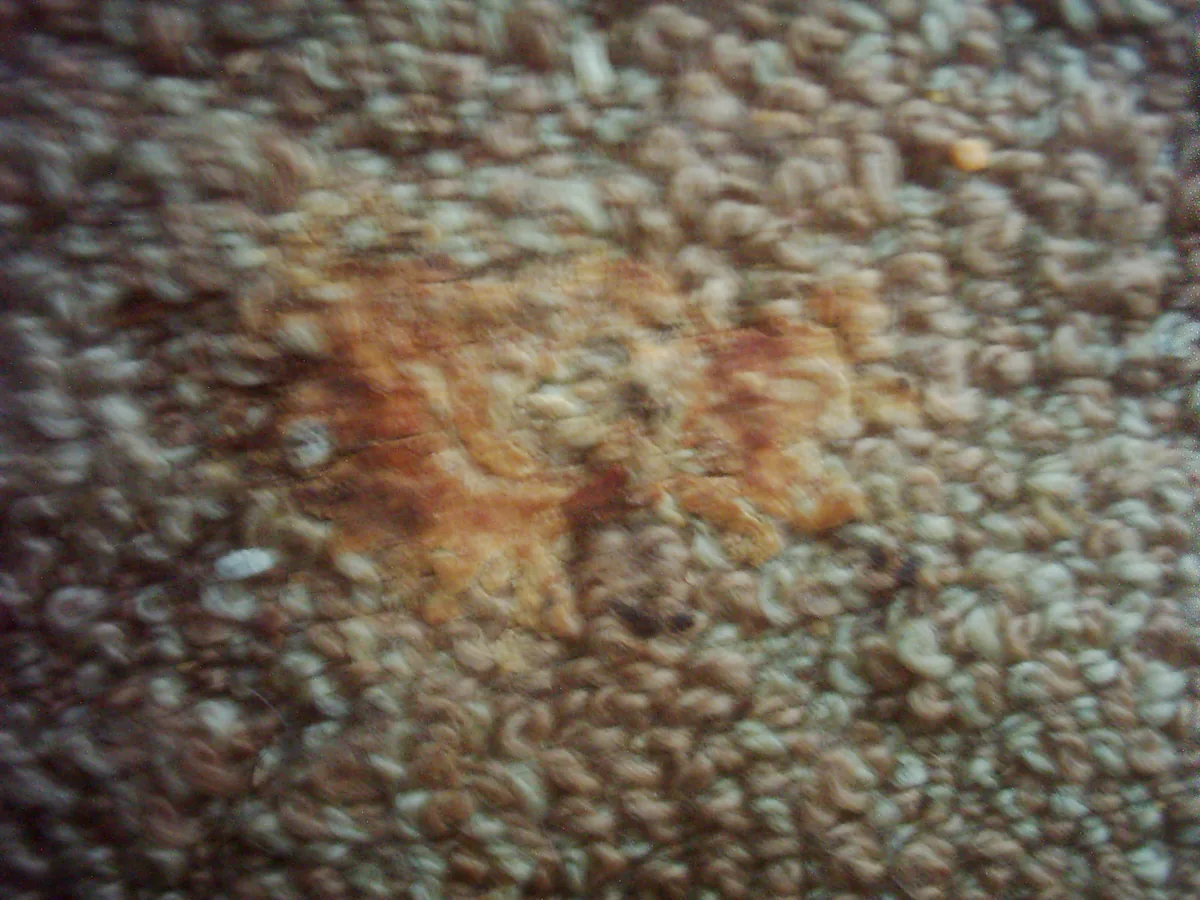
Flooring materials rest directly on the subfloor with minimal air circulation, allowing leaks or vapor to remain trapped against wood or composite materials for extended periods before surface signs appear.
Laminate and vinyl plank flooring are particularly effective at masking early damage, as the wear layer often remains intact until the underlying deck has warped or softened.
Once a section feels spongy underfoot or planks begin to separate, moisture meter readings typically show elevated levels extending beyond the immediately visible damage.
Tile floors are also vulnerable; compromised grout or sealant can permit water to migrate beneath tiles, where mold can develop on the underlayment unseen.
For independent guidance on mold, moisture, and safe cleanup, see EPA: a guide to mold cleanup and moisture control and EPA: a brief guide to mold, moisture, and your home.
Common Locations in Warren Homes
Specific areas in Warren properties frequently require subfloor mold remediation due to local moisture patterns.
- Around a dishwasher, refrigerator or washing machine
- Near an exterior door with a failed threshold seal
- Beneath bathroom flooring near the tub or toilet
- Basement slabs with a history of seepage under installed flooring
- Along an exterior wall where a foundation issue is present
Evaluating Subfloor Salvageability
Salvageability depends on the material type and duration of moisture exposure. Briefly damp plywood can often be dried, cleaned with HEPA filtration, treated, and retained. Saturated particleboard commonly swells, loses integrity, and requires removal.
The material is systematically tested with moisture meters rather than assumed to be unsalvageable, ensuring sections that can be saved are not unnecessarily removed.
Structural integrity is a primary concern. A compromised, sagging, or springy subfloor section is removed irrespective of active mold presence.
OSB subflooring presents a middle case; it resists moisture better than particleboard but can still swell and delaminate at the edges after prolonged saturation.
Coordinating Replacement Flooring
Following successful drying and any necessary repairs, the process can include coordinating replacement flooring that closely matches the removed material for a cohesive appearance.
In older Warren homes where original flooring may be discontinued, an exact match might not be feasible. This is communicated clearly to inform decisions on room replacement or alternative solutions.
Moisture Challenges with Slab Foundations
Many homes in the Bristol County area are built on concrete slabs, where moisture dynamics differ; vapor can migrate upward through the concrete rather than being absorbed by a wood subfloor.
This issue is frequent under vinyl or laminate installed directly on slab without an adequate vapor barrier, often first appearing as edge discoloration or a persistent musty odor.
For slab homes, the inspection specifically checks for this vapor drive, as the required solution involves installing a proper vapor barrier, which differs from remediation for a wood subfloor leak.
A moisture reading taken directly on the concrete slab prior to reinstallation determines if additional drying is needed or if the surface is ready for new flooring.
After the job
After the job: keeping it from coming back
Install a leak pan and automatic shutoff valve for dishwasher and refrigerator water lines
Periodically inspect the flooring inside under-sink cabinets for dampness
Maintain sealed grout lines and tub-to-tile joints to prevent water migration
Manage indoor humidity levels between 30 and 50 percent to reduce condensation on cool surfaces
If it shows up again, or a new leak starts, call (844) 352-3560, the line is answered 24/7.
Good to know
Floor & Subfloor Mold Removal in Warren, RI: common questions
What indicates mold might be under my flooring?
Warning signs include warping, cupping, soft spots, a musty smell near the floor, and discoloration where flooring meets walls or appliances.
Do you handle installation of new flooring?
The core service encompasses mold removal, subfloor assessment, and drying. Coordination for replacement flooring that matches your existing material is available.
Which flooring types most commonly conceal subfloor issues?
Laminate and vinyl plank flooring can hide subfloor damage the longest because their surface often remains visually intact. Tile and hardwood usually show visible signs sooner.
Is subfloor replacement always necessary?
Not always. Plywood with short-term moisture exposure can often be dried and saved. Particleboard that has absorbed water typically swells and must be replaced.
Is it urgent if the water leak has been repaired?
While not an active emergency, moisture trapped beneath flooring continues to support mold growth, so an assessment should be scheduled promptly.
Related services
More mold services in Warren, RI
Standards
Standards the work is done to in Warren
Questions about the scope? Call (844) 352-3560, open 24/7.
Talk to the mold removal team now
Need Floor & Subfloor Mold Removal in Warren, RI?
Call the 24/7 line and a local crew gets the problem contained fast, then removed the right way, to the IICRC S520 standard. A visit is often set the same day.